
While many of us started diving to see “The Big Stuff” like sea turtles, sharks, and rays, as we continue diving we all begin to appreciate the underwater world as a whole. That school of fish that moves like one fluid organism, the tiny shrimp tucked in underneath the tentacles of the anemone it calls home. From large to minuscule, not much of what we’ve grown to love underwater would exist if it weren’t for the tiniest members of the community – the corals.
Corals form the literal backbone of the tropical underwater world. These tiny organism build massive structures that most of the rest of the ecosystem uses for shelter and sustenance. But ever since the scientific community started studying corals, there have been threats and diseases and challenges that these little tiny creatures are constantly having to overcome. Maybe you’ve seen some of them.
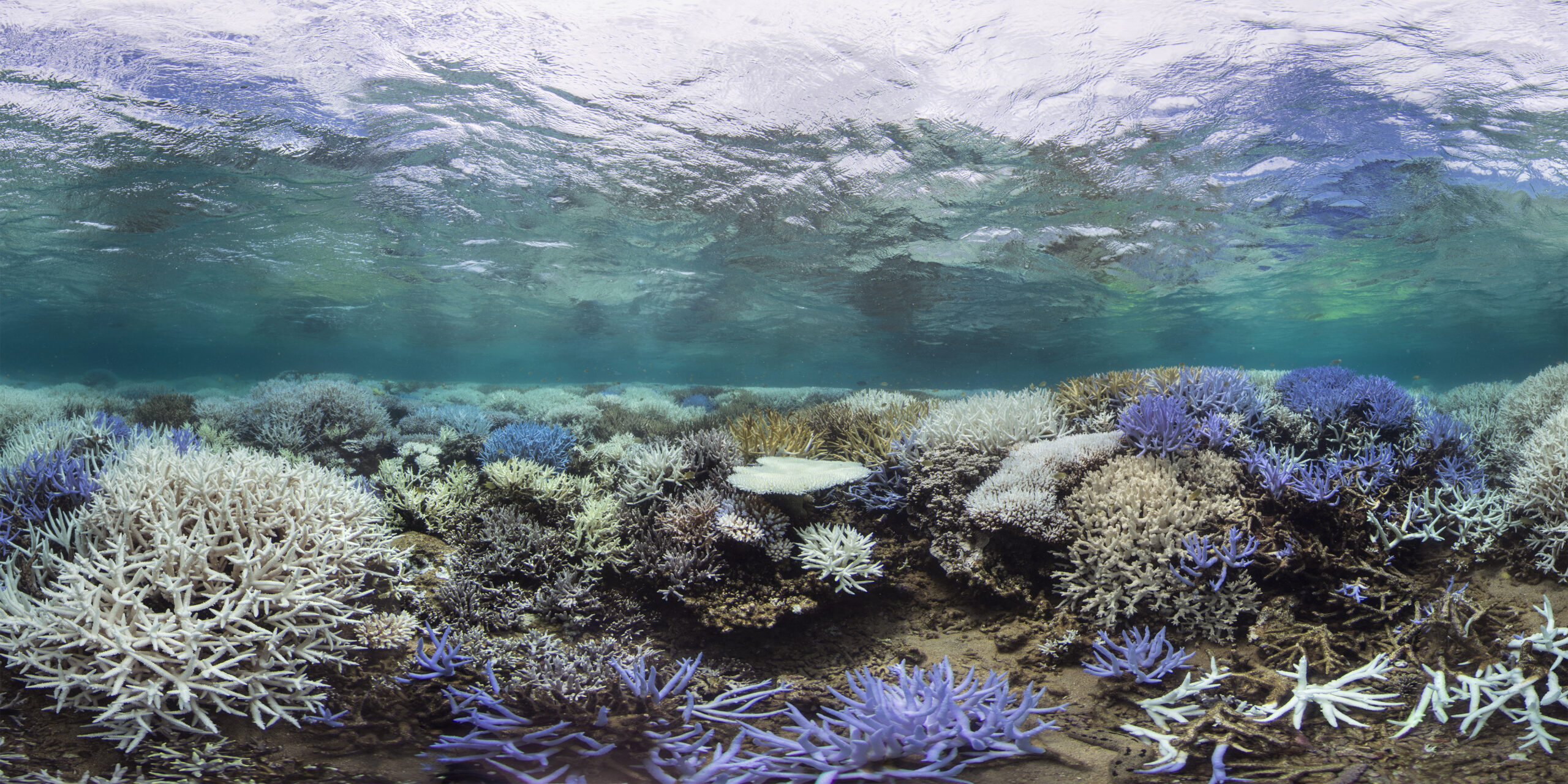 The coral affliction most are familiar with is Coral Bleaching. This is not a specific disease but a stress reaction affecting first the resident algae that co-habitate with the coral polyps. Each species of coral has a mutalistic relationship with an algae that lives within the polyp’s actual tissues. The algae does what plants do on land, and photosynthesizes CO2 and the waste from the coral into oxygen and nutrients that the coral can consume to give the algae more waste to work with. Coral bleaching doesn’t mean the coral is dead, it just means some stressor in the environment caused the algae to abandon ship or die, and the coral polyp is left to it’s own devices. As more than half of the corals nutrition comes from the byproducts of the algae’s photosynthesis, this is not great news for the coral. It can survive on it’s own, but not indefinitely. Often times, once the stressor has been removed or resolved (i.e. water temps drop, currents wash away whatever harmful element was in the surrounding waters), often the algae will return and the reef can thrive again.
 Other problems that the corals face are not so easily resolved. Some of the more common diseases you might have seen are easily identified such as Black Band Disease and White Band Disease. BBD or BP is the only successfully treatable coral disease! It is caused by a blue-green algae / cyanobacteria that basically smothers the coral with lack of oxygen. White Band Disease, on the other hand has no known root / agent and no treatment. It has been troublesome since 70s and 80s when it decimated stony coral populations. Today, it mostly affects acroporid (branching) species like elkhorn and staghorn corals.
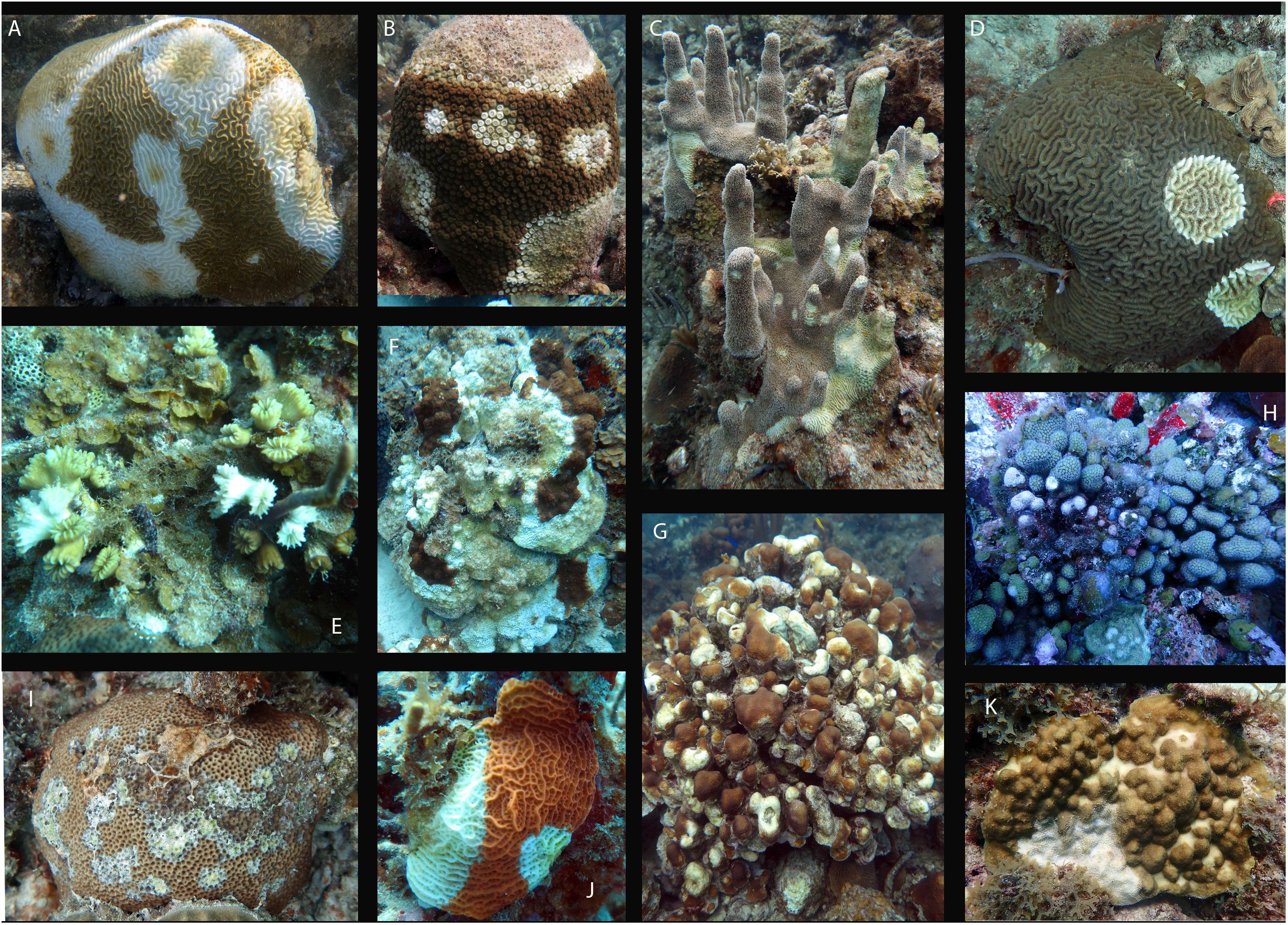 Latest, and most deadly on the scene is Stony Coral Tissue Loss Disease (SCLTD or Skittle-D). First reported in 2014 in Keys, it is characterized by rapid multi-focal tissue loss that can advance 5-40 sq cm per day on a colony! This disease has no exact cause, virus, or bacteria yet, and it is fast-acting and extremely lethal to stony corals such as boulder brain and star corals which make up the backbone of many of the Caribbean’s Coral Reefs. Experimental treatment with antibacterial creams have been moderately successful, but treatment requires frequent reapplication and is not always successful.
While SCLTD has yet to be seen on our reefs in the Bahamas, it is very nearby in both the Florida Keys and Grand Bahama. Is it just a matter of time? So now that you’re all bummed out, what can you do? Most importantly, if you visit an area that has SCLTD it’s very important to be sure not to carry any of the causing agent with you. Disinfect your gear thoroughly between trips – use either a 10% bleach solution soak for 10 minutes, or for more sensitive equipment use antibacterial dish soap. Using reef-safe sunscreens that contain mineral active ingredients can help keep more stressful chemicals out of the water. And don’t forget to bring this awareness to your non-diving friends and family! We divers make up a small percentage of the population, but we are often the ocean’s biggest advocates.


Leave a Reply
Want to join the discussion?Feel free to contribute!